A new study involving scientists from the National Oceanography Centre (NOC) suggests that climate change may pose increased risks to subsea internet cables, which are essential for global communications. The research indicates that shifting patterns in fishing activity driven by a warming ocean could create new threats to these vital cables.
Impact of climate change on fishing patterns
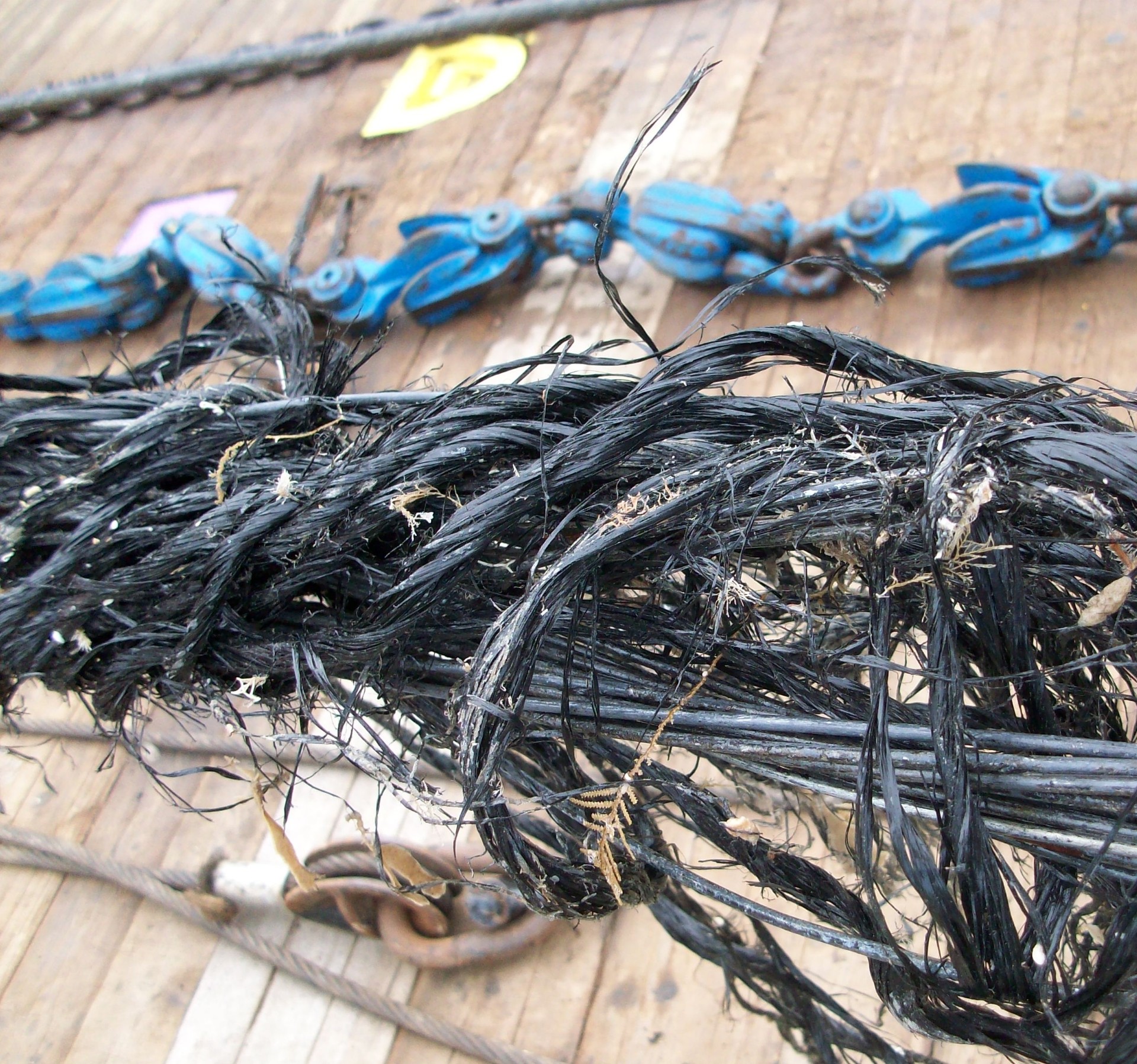
Published in the journal Climate Risk Management, the study highlights how climate change could indirectly affect critical digital infrastructure by altering the habitats of fish and the locations of fishing activities. Subsea telecommunications cables, which carry significant amounts of international internet traffic, are already vulnerable to accidental damage from fishing operations. The researchers warn that as fishing patterns change, new hazard hotspots may emerge along cable routes that previously saw little interaction with fishing activities.
Future projections for subsea cables
According to the study, projections indicate that by the year 2100, approximately 34,600 kilometres of existing subsea cable could become exposed to trawling activities due to climate change. Additionally, trawling could increase along a further 157,000 kilometres of cable routes. While some areas may experience a decrease in fishing activity, new risk zones, particularly in the North Atlantic and parts of the north-western Pacific, could develop.
Collaborative approach needed
Dr Mike Clare, the strategic research lead for hazards and pollution at NOC, emphasised the importance of understanding these shifts in risks to adapt cable routes and protections proactively. Collaborating with various sectors, including the fishing industry, is crucial in identifying and mitigating these emerging threats, according to Dr Katya Popova, a senior research fellow at NOC.
Importance for remote communities
The implications of these findings are particularly significant for islands and remote communities that rely heavily on subsea connections. A single cable failure can disrupt essential services such as banking, healthcare, and education. Dr Isobel Yeo, a senior research geoscientist at NOC, stated that it is vital to understand how threats are evolving around these communities to ensure reliable connectivity.
The study underscores the need for regular risk assessments and collaborative efforts among cable operators, governments, marine managers, and fishing communities to safeguard critical infrastructure as the ocean continues to change.
Source: National Oceanography Centre