An international team, including scientists from the National Oceanography Centre (NOC), has achieved a significant breakthrough by capturing the first direct observations of underwater landslides. This advancement enhances the understanding of a powerful oceanic phenomenon that has previously been difficult to study.
New research findings
The research, led by the Monterey Bay Aquarium Research Institute (MBARI) and Durham University, has been published in the journal Science. Underwater landslides are crucial to marine ecology and infrastructure, yet their unpredictable nature poses challenges for researchers. The collaborative effort involved ten institutions and was spearheaded by Rebecca Englert from MBARI and Matthieu Cartigny from Durham University.
Dr Mike Clare, Strategic Research Lead for Hazards and Pollution at NOC, noted the importance of these observations. The team’s work enables a better understanding of how these hazards can affect seabed infrastructure and contribute to the transport of sediment, carbon, and pollutants into the deep ocean.
Methodology and observations
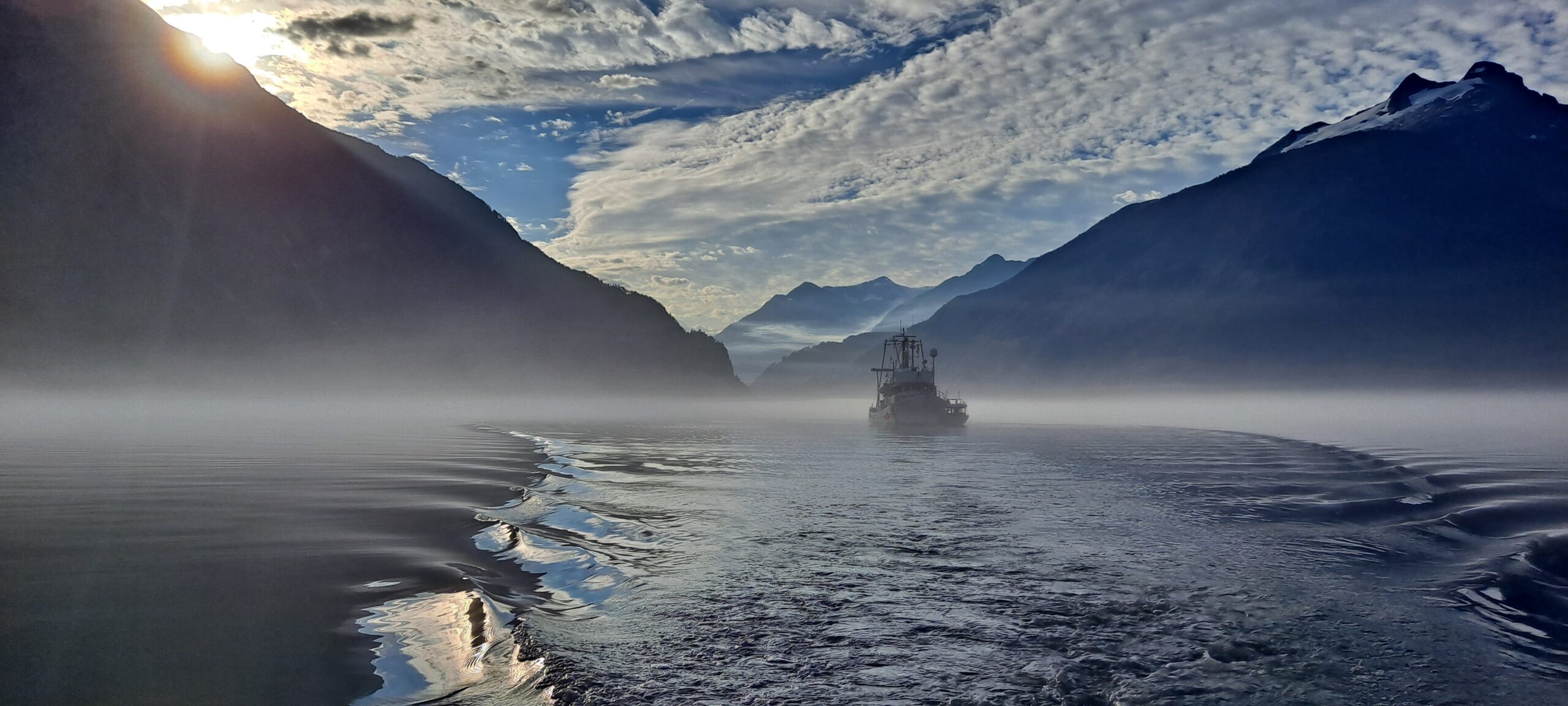
The study was conducted at the Homathko Delta in British Columbia, where an offshore submarine channel system extends for 50 kilometres. The researchers utilised high-resolution sonar, repeated mapping surveys, and seafloor moorings to monitor the area. In just 18 days, they detected around 30 underwater landslides, capturing three with remarkable detail.
The research revealed a process called ‘breaching’, where sandy sediment collapses progressively. As sediment grains separate, suction strengthens the seabed temporarily. When this suction diminishes, sediment fails, resulting in powerful flows that can travel kilometres downslope. These findings provide insights that were previously understood only through theoretical models and laboratory experiments.
Implications of the research
The implications of this study extend to hazard assessments in coastal sandy environments, where underwater landslides pose risks to offshore infrastructure and can lead to shoreline retreat. The distinct nature of breaching failures necessitates tailored mitigation strategies, as they can transform into turbidity currents, carrying hazards far from shore.
Additionally, the research highlights the role of submarine landslides in transporting carbon and pollutants to offshore areas. The frequent occurrence of breaching failures illustrates the interconnectedness between coastal environments and the deep seafloor, emphasising the significance of understanding these processes.
This research was supported by the Homalco First Nation and received funding from various grants, including those from the Royal Society and the Natural Environment Research Council.
Source: National Oceanography Centre