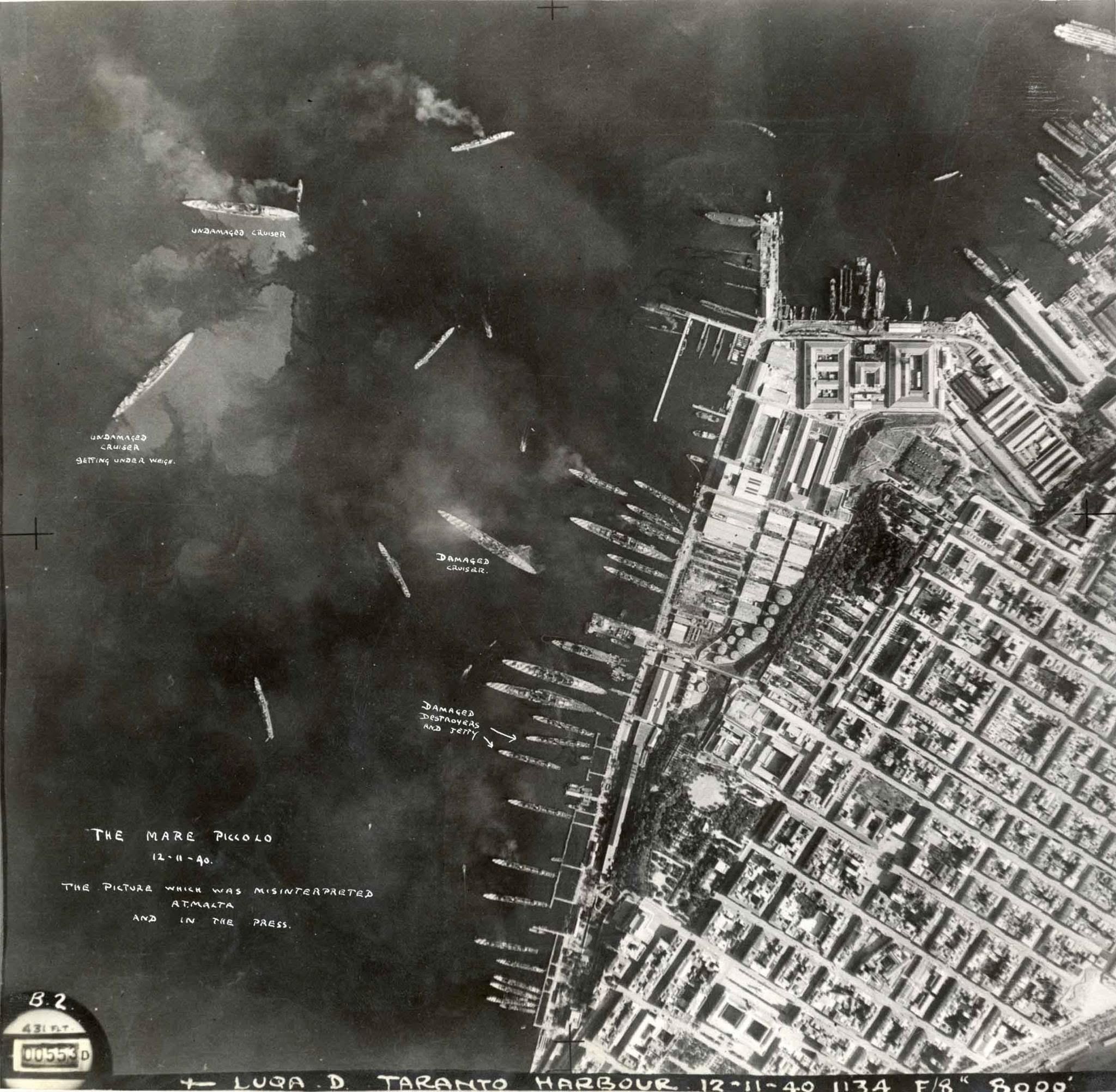
On the night of 11 November 1940, a daring operation known as Operation Judgement saw twenty-one Fairey Swordfish aircraft take off from HMS Illustrious, targeting the Italian naval base at Taranto, where six battleships were anchored alongside other ships.
Operation details and challenges
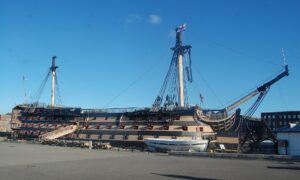
Initially planned for 21 October, the operation faced delays but coincided with Trafalgar Day, marking a noteworthy link between two significant naval engagements across 135 years. The Fairey Swordfish, while appearing outdated with their fabric-covered wings and open cockpits, proved effective as torpedo bombers due to their ability to fly slowly and manoeuvre at low altitudes.
The mission posed substantial risks for the aircrews. They had to navigate the challenges of flying at night over a significant distance while locating a heavily fortified harbour protected by anti-aircraft guns and other defences. Their objective was to target Italy’s formidable warships and return safely to the carrier.
Execution of the attack
The Swordfish approached Taranto in two waves. Some aircraft were armed with torpedoes, while others carried bombs and flares to illuminate the targets. As the first planes neared the harbour shortly before 11pm, Italian defences responded with heavy fire, creating a chaotic scene in the night sky.
Of the 21 Swordfish that launched, only one turned back before reaching Taranto. From the 20 that engaged in the attack, two were lost, resulting in two airmen killed and two captured. Nevertheless, the Fleet Air Arm successfully disabled three of Italy’s six battleships, including the Conte di Cavour, which would never return to service. This remarkable achievement demonstrated the effectiveness of the small attacking force against a heavily defended target.
Impact and historical significance
The attack on Taranto challenged contemporary beliefs regarding the safety of naval bases. It highlighted the powerful potential of carrier-based aircraft, a lesson that would gain further importance following the Japanese strike on Pearl Harbor just over a year later. The contrast between the engagement at Trafalgar in 1805, which relied on close-quarter combat with wooden sailing ships, and the aerial assault at Taranto underscores the evolution of naval warfare.
Despite the significant advancements in weaponry and tactics since Trafalgar, the success of Operation Judgement ultimately hinged on the courage, skill, and determination of the aircrews who undertook the perilous mission into a defended harbour at night.
Exploring naval aviation history
For those interested in the history of the Fleet Air Arm, Royal Navy Museums offers insights into naval aviation at their site in Yeovilton, Somerset, where visitors can view a Fairey Swordfish and learn about the aircraft, personal stories, and technological advancements that transformed naval warfare.
Source: National Museum of the Royal Navy