Free artificial nests are being offered to residents, schools and businesses in the New Forest as part of an initiative aimed at supporting the threatened house martin population ahead of the 2027 breeding season. This scheme, led by Hampshire Ornithological Society, aims to install up to 900 artificial nest cups across Hampshire.
Free artificial nests available
Following a successful pilot programme last year, the society is seeking to provide suitable homes for house martins before they return from their winter migration in Africa in April and May 2027. Eligible properties must be within 1km of previously recorded house martin nests. Notable areas in the New Forest where house martins have been spotted include Lymington, Brockenhurst, Beaulieu, Burley, Fritham, Cadnam, and Bransgore, particularly along the Lymington, Beaulieu, and Avon rivers where the birds can easily access mud for nest building.
To be suitable hosts, properties need to have overhanging eaves at a height between four and seven metres from the ground.
Declining population concerns
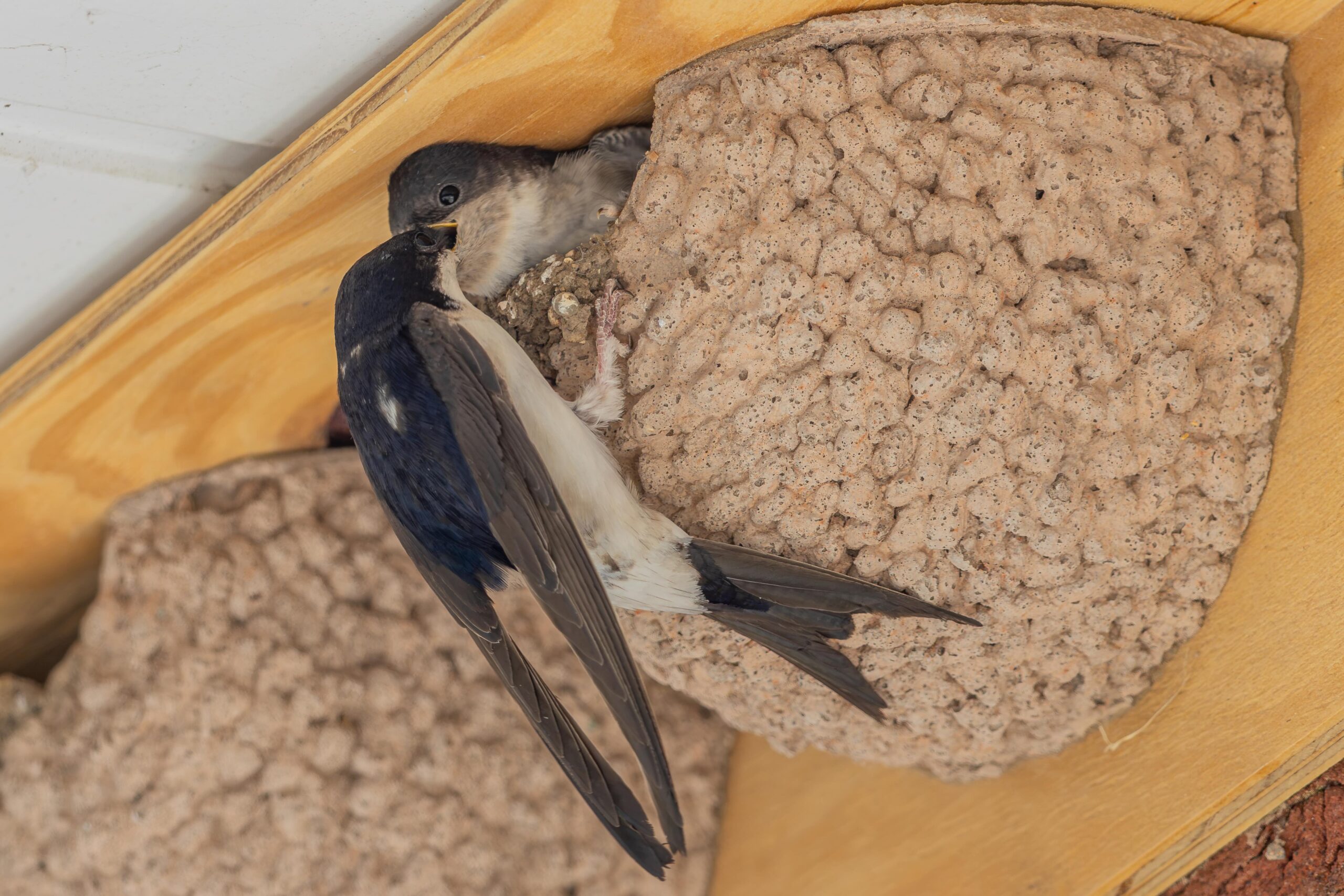
The UK house martin population has seen a dramatic decline, with a reported drop of 40% from 1995 to 2024, partly due to poor breeding success. These birds are known for building distinctive cup-shaped nests from mud, requiring a significant amount of soft mud to complete each nest. Adverse weather conditions, particularly prolonged dry spells, can severely limit their access to mud. Other challenges include predation and modern building materials that can cause nests to fall, jeopardising eggs and chicks.
The artificial nests being offered are constructed from woodcrete, providing a more durable alternative to traditional mud nests.
Community involvement and success of the pilot
Nigel Matthews, volunteer coordinator for the Hampshire House Martin Project, noted that the pilot demonstrated house martins readily accepted artificial nests when placed near existing colonies. The artificial nests will be provided and installed at no cost, indicating a likely high demand for the programme.
In the initial pilot phase, 249 artificial nest cups were installed, with 27 being successfully used by house martins, exceeding expectations. These nests were strategically positioned near known nesting sites, as house martins prefer to breed in close proximity to one another.
Support and mapping efforts
The initiative has benefited from citizen science, enabling the mapping of several hundred existing house martin nesting sites across Hampshire. The latest round of artificial nest installations aims to increase the total number of nests fitted over two years to more than 1,000. This will not only support the growth of existing colonies but also contribute to understanding the factors influencing house martin nesting locations.
The scheme is supported by various organisations, including Birds on the Brink, House Martin Conservation UK & Ireland, and the New Forest Biodiversity Forum, among others. Keith Betton, chair of Hampshire Ornithological Society, highlighted the strong community interest in aiding house martins and expressed optimism about this next phase of the project.
House martins are easily recognisable by their blue-black plumage, bold white rump, and distinctive shorter forked tail, setting them apart from swallows, which typically nest indoors.
Source: New Forest National Park Authority