Organisations in the New Forest are collaborating on a strategy to enhance habitats through comprehensive deer management within and around the National Park. This initiative comes as deer populations in the UK have surged significantly over the last century, adversely affecting the region’s protected habitats.
Funding for deer management strategy
The New Forest National Park Authority, Natural England, and the Forestry Commission have received £240,000 through Natural England’s Protected Site Strategies programme. This funding aims to unite stakeholders to build on existing efforts and create a sustainable deer management approach that benefits the entire National Park.
The project will focus on several key activities, including learning from local experiences and successful practices, gathering scientific data to inform actions, ensuring stakeholders possess the necessary skills and knowledge for effective deer population management, and developing infrastructure for a local venison market to promote high-quality produce sourced from responsible deer management.
Recognising cultural connections
Additionally, the initiative will celebrate the cultural heritage of deer in the New Forest. Together, these activities aim to define appropriate deer populations for the area and establish methods to achieve these targets.
The project is part of a broader initiative to expand Natural England’s Protected Site Strategies programme, which is funded by the Department for Environment, Food and Rural Affairs (Defra). A Defra representative stated that these strategies are designed to bring local stakeholders together to enhance nature in their regions, highlighting sustainable deer management as crucial for the New Forest’s longevity.
Impact of deer populations
John Stride, a programme manager at the New Forest National Park Authority, emphasised the historical significance of deer in the region, noting that their current numbers are threatening the unique habitats. He stressed the need for collaborative efforts among various stakeholders to achieve a sustainable ecological balance.
Factors contributing to the rise in deer numbers include changes in land use, milder weather, and the absence of natural predators. The population particularly boomed during the COVID-19 pandemic, when deer were largely left unchecked.
Consequences of high deer densities
Jenny Thomas, a senior nature recovery officer for Natural England, pointed out that while deer are vital for woodland ecology, excessive numbers can harm vegetation, hinder tree regeneration, damage soil, and reduce biodiversity. High deer densities also correlate with increased road traffic accidents and damage to crops and gardens. She warned that without prompt action, these issues could jeopardise nature recovery efforts in the New Forest.
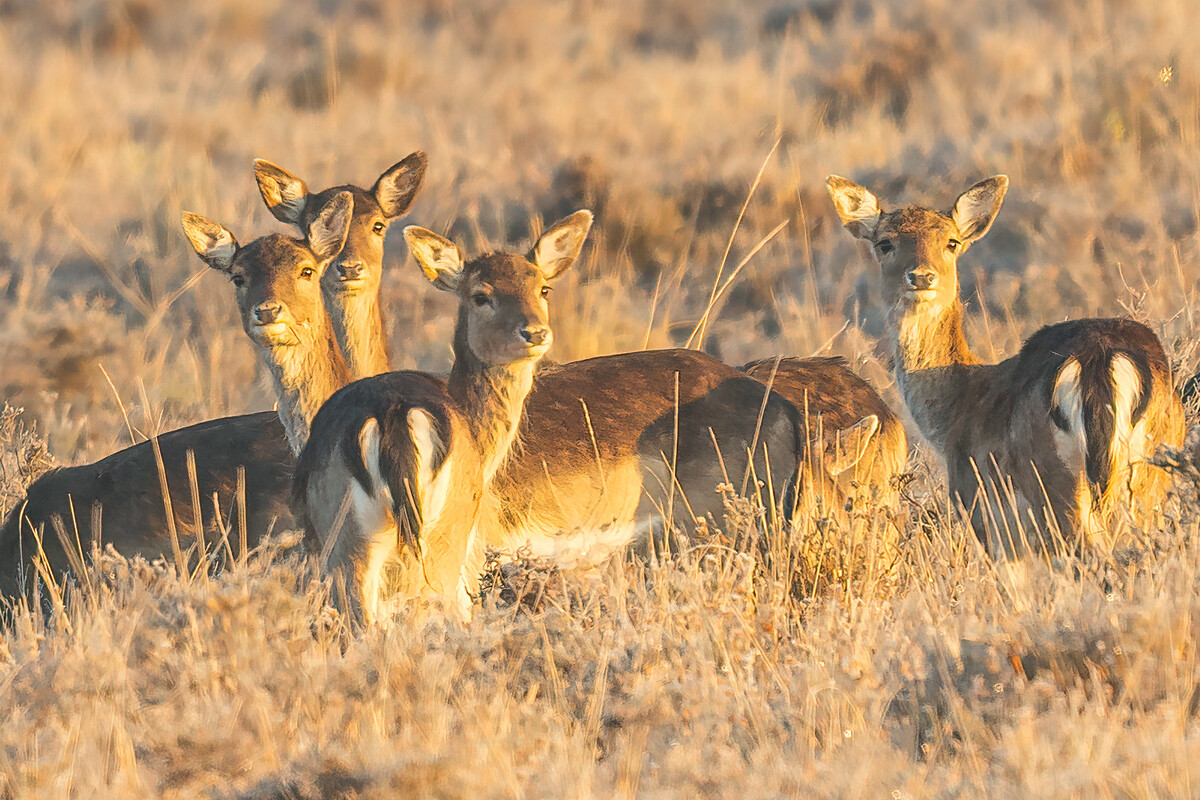
In certain areas, deer populations are estimated to exceed sustainable levels by three to four times, complicating natural woodland regeneration. The New Forest is home to five of the six deer species found in the UK, with red and roe deer considered native, while fallow, sika, and muntjac deer are introduced species that exacerbate pressures on the environment.
Future management strategies
Jordan Thomas, the Forestry Commission’s Deer Officer, noted that while native deer are integral to the New Forest’s landscape, current management strategies are inadequate for the rising impacts of deer populations. He highlighted the necessity of a landscape-scale approach to deer management, which will include gathering local knowledge and scientific data, utilising tools like drone footage to assess the situation effectively.
Naturalist Chris Packham, speaking at the national launch of the initiative, remarked on the urgent need for progressive management to restore biodiversity in the UK, underscoring that managing deer populations is crucial for reforestation and maintaining healthy woodland ecosystems.
Source: New Forest National Park Authority