Two major National Park wildfires in England this summer affected an area of threatened habitats three times the size of Hyde Park. National Parks England has welcomed new commitments aimed at enhancing firefighting capabilities and resilience measures, as well as funding for peatland restoration.
Wildfire statistics and impact
The threat of wildfires has evolved into a year-round concern, with risks extending from early spring through autumn, largely due to climate change. Prime Minister Andy Burnham’s recent commitments made at the first ‘Wildfires Summit’ in Liverpool on 23 October have been positively received by National Parks England. The new support includes military helicopter assistance, a £25 million Peatland Restoration Grant Scheme, and additional financial support for farmers to help protect their land from fire.
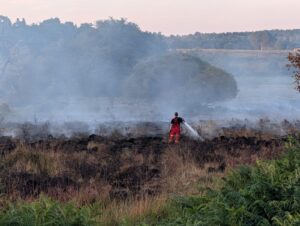
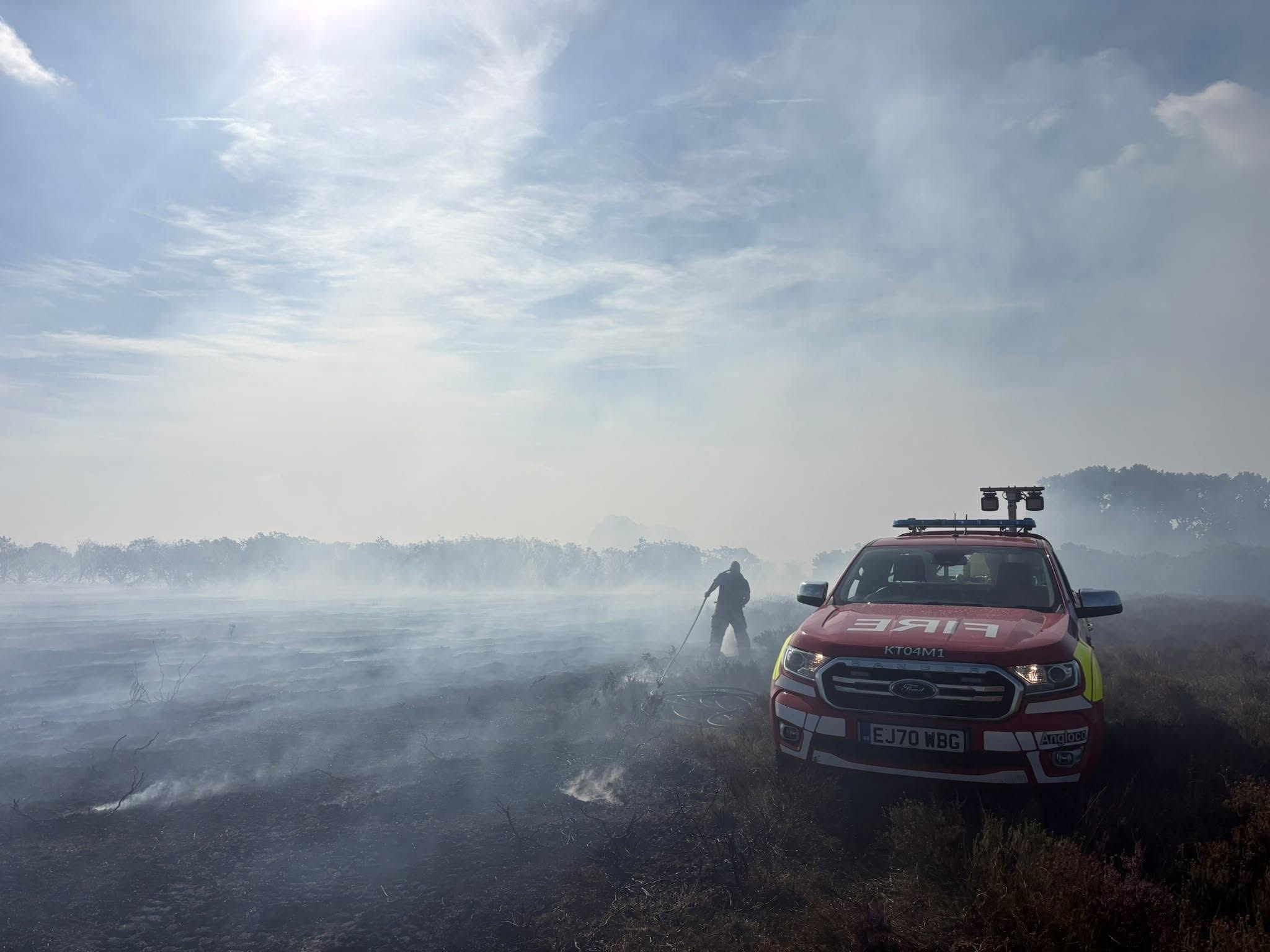
This summer, the Peak District and New Forest National Parks were significantly impacted, with wildfires affecting an area greater than three times that of Hyde Park. The Peak District alone reported over 34 wildfires in 2026, causing major disruptions to vital transport routes and creating smoke-related issues for local residents. Similarly, York and North Yorkshire, which encompasses the North York Moors National Park, experienced a comparable number of wildfires, contributing to a year-on-year doubling of fire call-outs.
Co-ordinated wildfire management approach
National Parks in England are facing increasing wildfire threats, primarily due to the fragile habitats at risk and the popularity of these natural landscapes. The 15 UK National Parks have united to form a joint strategy for wildfire management, emphasising the importance of National Park Management Plans in promoting co-ordinated action.
In light of the Prime Minister’s commitment to develop an England Wildfire Action Plan, National Parks England has urged the government to bolster support for regional fire operations forums. These forums are essential for uniting stakeholders, such as emergency services, landowners, local authorities, and National Park Authorities. Additionally, there is a call for stricter local and product restrictions, as current seasonal bans on disposable barbecues are deemed inadequate in addressing wildfire risks.
Statements from park officials
Tom Hind, Chief Executive of the North York Moors National Park, expressed his optimism regarding the Prime Minister’s announcements, stating the need to reduce fire ignition risks. He highlighted the importance of educating the public about the dangers posed by campfires, portable barbecues, and discarded cigarettes. Furthermore, he noted that while seasonal restrictions have been beneficial, a permanent ban on disposable barbecues would be more effective.
Debbie Stockwell, Executive Director of National Parks England, reiterated the organisation’s commitment to collaborating with the government on the England Wildfire Action Plan and ensuring a unified approach across the UK’s National Parks. Paul Walton, Director of Partnerships and Delivery at the New Forest National Park Authority, welcomed the national focus on wildfires and affirmed that partnerships are learning from this summer’s experiences to better prepare for future threats.
Source: New Forest National Park Authority