Hampshire’s threatened wildlife and habitats are set to receive significant support through new conservation projects funded by the Species Recovery Programme. This initiative aims to enhance recovery efforts across land, coast and freshwater environments.
Collaborative conservation efforts
The Hampshire & Isle of Wight Wildlife Trust, in collaboration with various partners, is undertaking four key projects as part of the Species Recovery Programme. These projects focus on restoring rare species and habitats, including the grey long-eared bat, white-clawed crayfish, beach-nesting birds, and species-rich chalk grassland. The programme is backed by substantial contributions from project partners.
As part of the government’s ‘Wild Again: Restoring England’s Wildlife’ initiative, more than 350 threatened species will benefit from the largest investment ever aimed at wildlife recovery in England. The programme, delivered by Natural England, will allocate £60 million towards 130 projects focused on the restoration of various species and habitats.
Protecting the grey long-eared bat
One significant project aims to protect the grey long-eared bat, one of Britain’s rarest mammals. The Bat Conservation Trust will lead this initiative in partnership with several organisations, including local bat groups and the National Trust. The project will focus on identifying roosts, improving foraging habitats, and enhancing connections between important bat sites in regions such as Devon, Dorset, Somerset, the Isle of Wight, and Hampshire.
Advice will also be provided to landowners in the New Forest and on the Isle of Wight to help improve habitats around crucial roosting sites. This work will include the development of habitat management plans and specialist ecological knowledge to aid in the conservation of these bats.
Restoration of white-clawed crayfish
The Trust will also contribute to a national programme aimed at restoring the white-clawed crayfish, the UK’s only native freshwater crayfish, which has faced severe population declines. The new initiative will involve around 40 conservation organisations and aims to coordinate the largest recovery effort for the species to date.
Over the next three years, efforts will include monitoring surviving populations, assessing environmental threats, and prioritising conservation actions. This will involve breeding and rearing juveniles, as well as identifying safe habitats for the crayfish to thrive. The project will also invest in scientific research on crayfish genetics and disease resistance.
Conserving beach-nesting birds
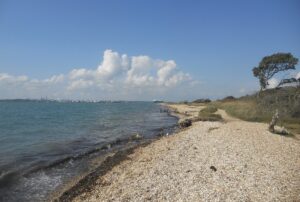
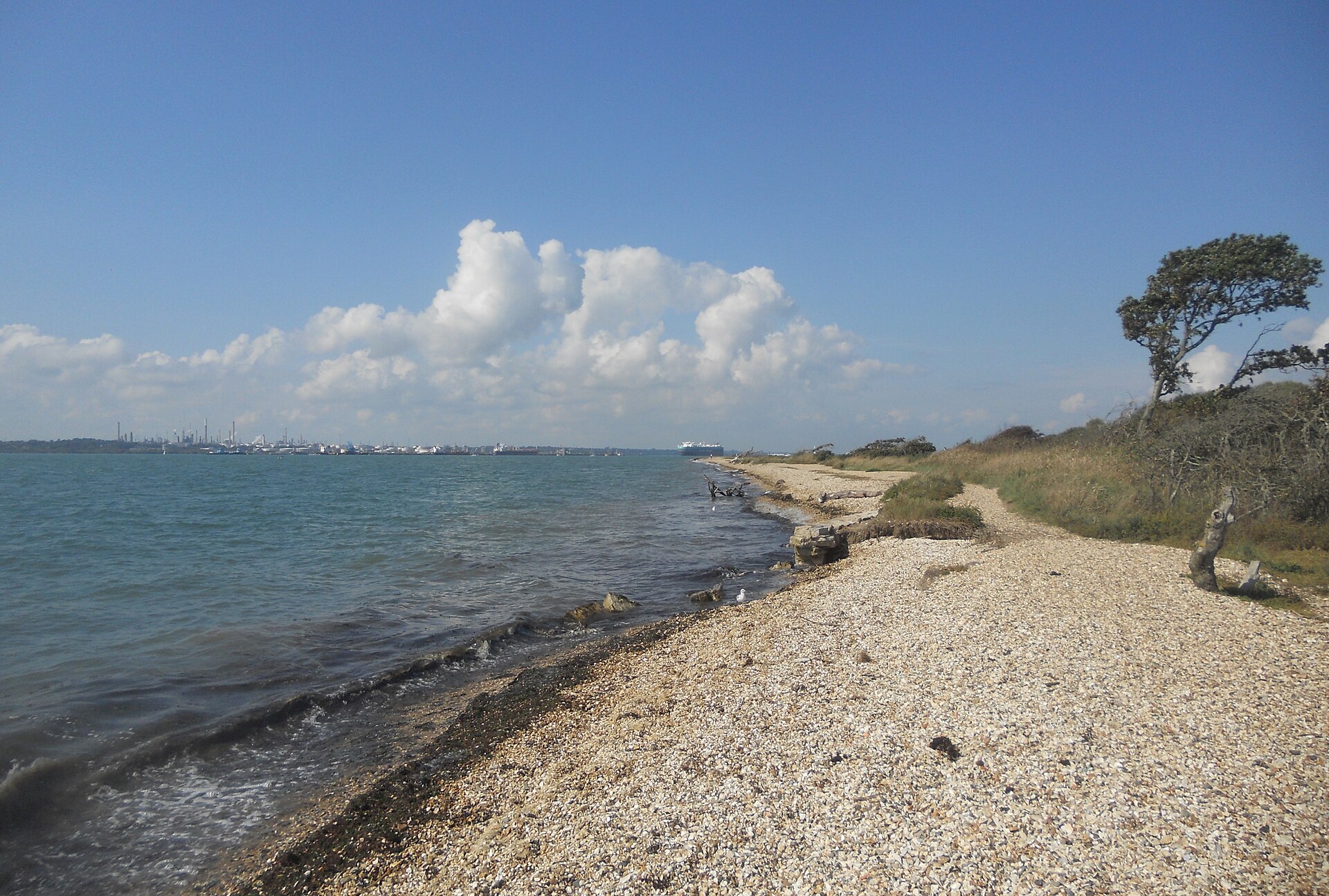
On the coast, work at Hurst Spit will support beach-nesting birds through a project called Beach to the Skies, led by the RSPB. This initiative will focus on improving breeding success for species such as the little tern and ringed plover. The Trust will conduct conservation activities, including monitoring nests, installing protective measures, and engaging the public in understanding the importance of coastal habitats for these birds.
Restoring chalk grassland at Noar Hill
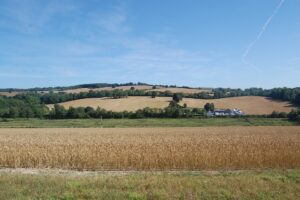
At Noar Hill Nature Reserve, the Hampshire & Isle of Wight Wildlife Trust will collaborate with Plantlife to restore species-rich chalk grassland, including protecting the site’s juniper population. The project will address habitat decline caused by encroaching scrub and improve conditions for various species through targeted habitat management.
The combined efforts of these projects highlight the importance of collaboration among partners to address increasing pressures on wildlife and habitats. By engaging with landowners, communities, and volunteers, the Hampshire & Isle of Wight Wildlife Trust aims to foster healthier landscapes for wildlife across the region.
Source: Hampshire and Isle of Wight Wildlife Trust